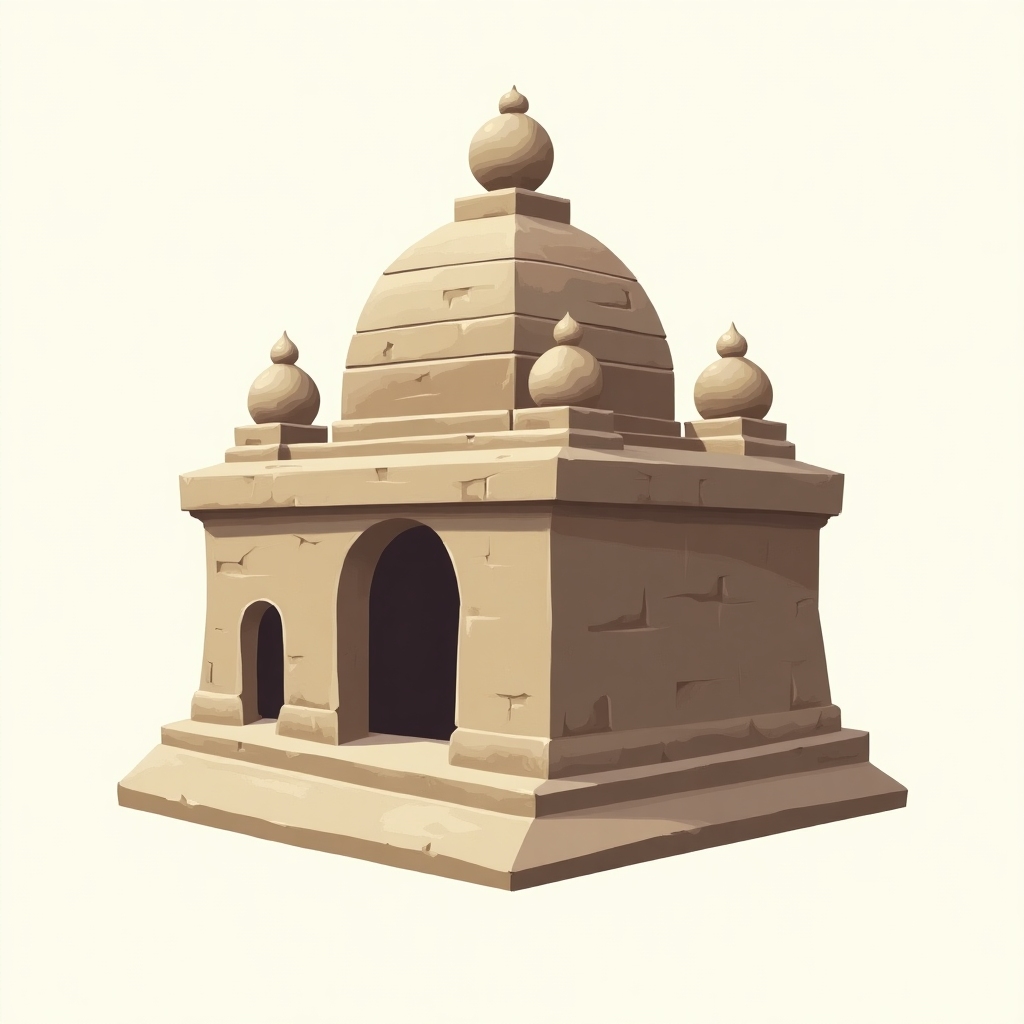
Ancient Civilizations: Temples, Artifacts & Ruins
Journey through the wonders of the ancient world. Explore legendary temples, timeless artifacts, and the ruins of great civilizations — curated for students, educators, and history enthusiasts seeking authentic discovery.
Start ExploringDiscover Ancient Civilizations
Explore, Learn, and Experience the Wonders of History
Journey through temples, uncover rare artifacts, and witness realistic visualizations of ancient ruins. Our educational platform makes history accessible, accurate, and engaging for learners of all ages.
-
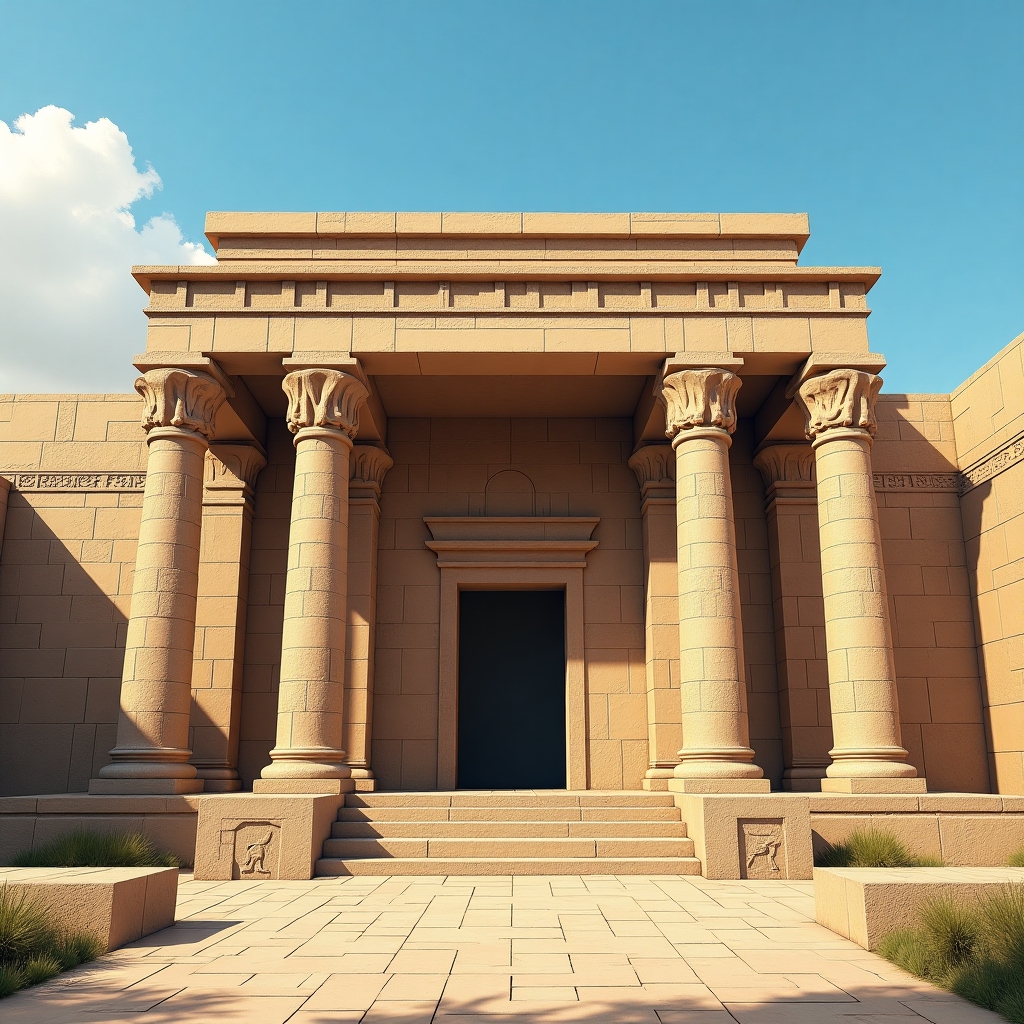 Explore Ancient Temples
- Walk through detailed recreations of legendary temples from civilizations around the world, learning about their history, architecture, and cultural significance.
-
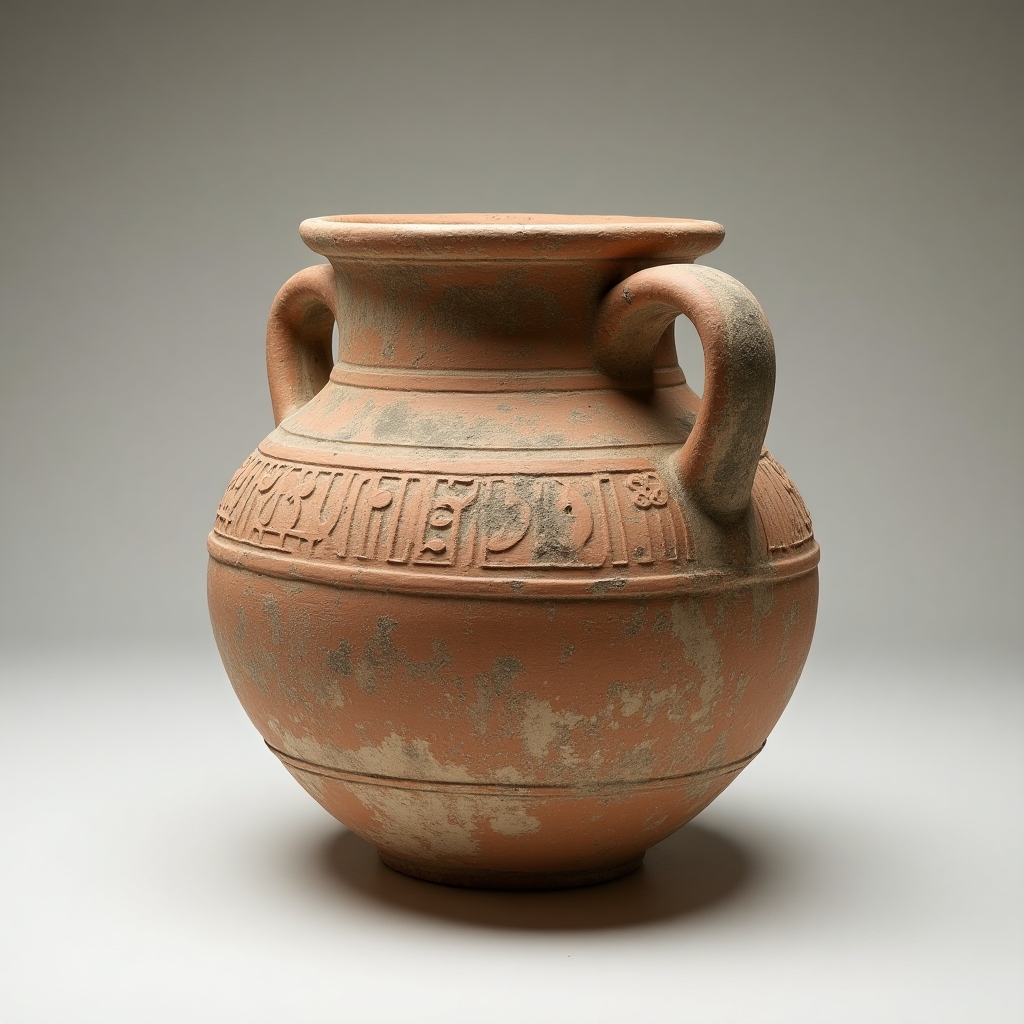 Discover Artifacts
- Examine artifacts with high-resolution visuals and informative descriptions, bringing you closer to the tools, art, and daily life of ancient peoples.
-
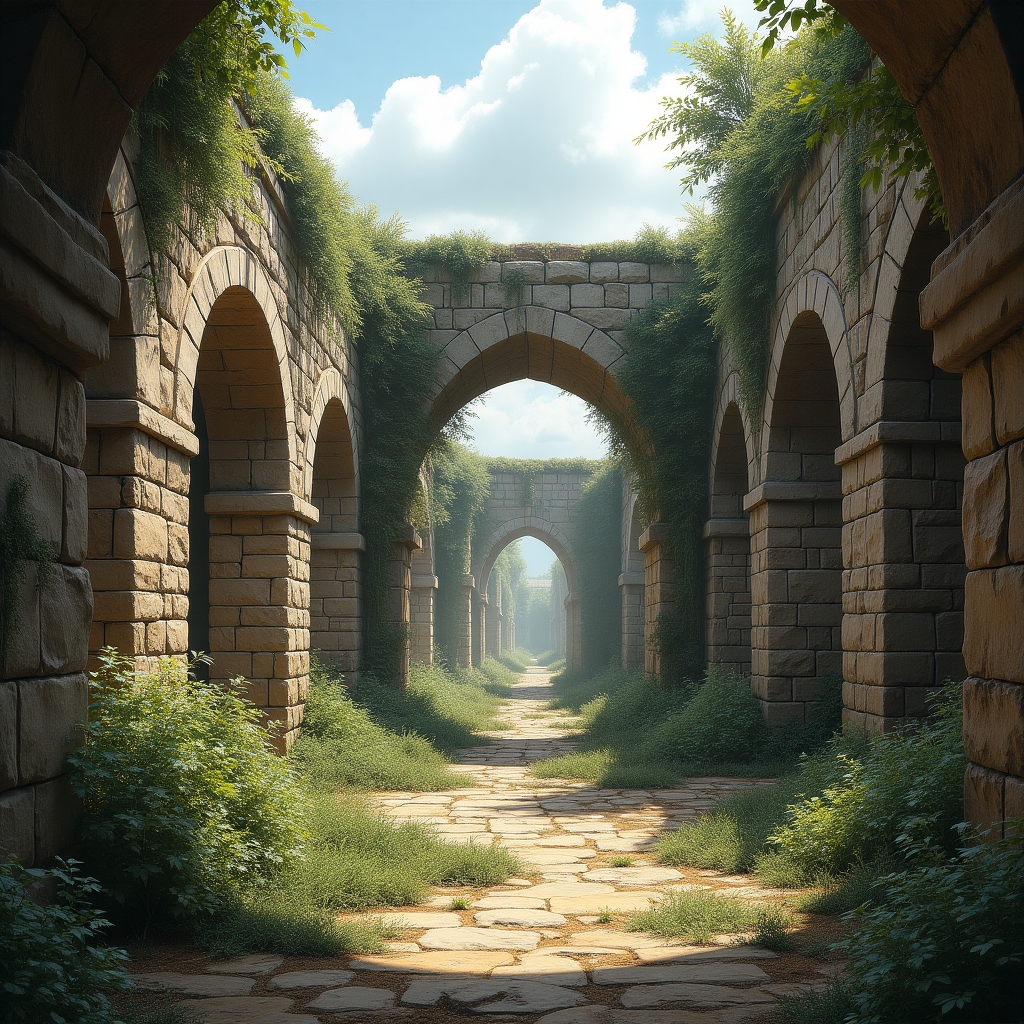 View Realistic Ruins
- Experience beautifully rendered images of ruins, transporting you to the heart of historic sites with remarkable accuracy and detail.
Ancient Temples & Artifacts
Journey through the timeless wonders of humanity—monumental temples and exquisite artifacts, each echoing the beliefs, artistry, and achievements of ancient civilizations. Explore the details that reveal the ingenuity and spiritual devotion of our ancestors.
-
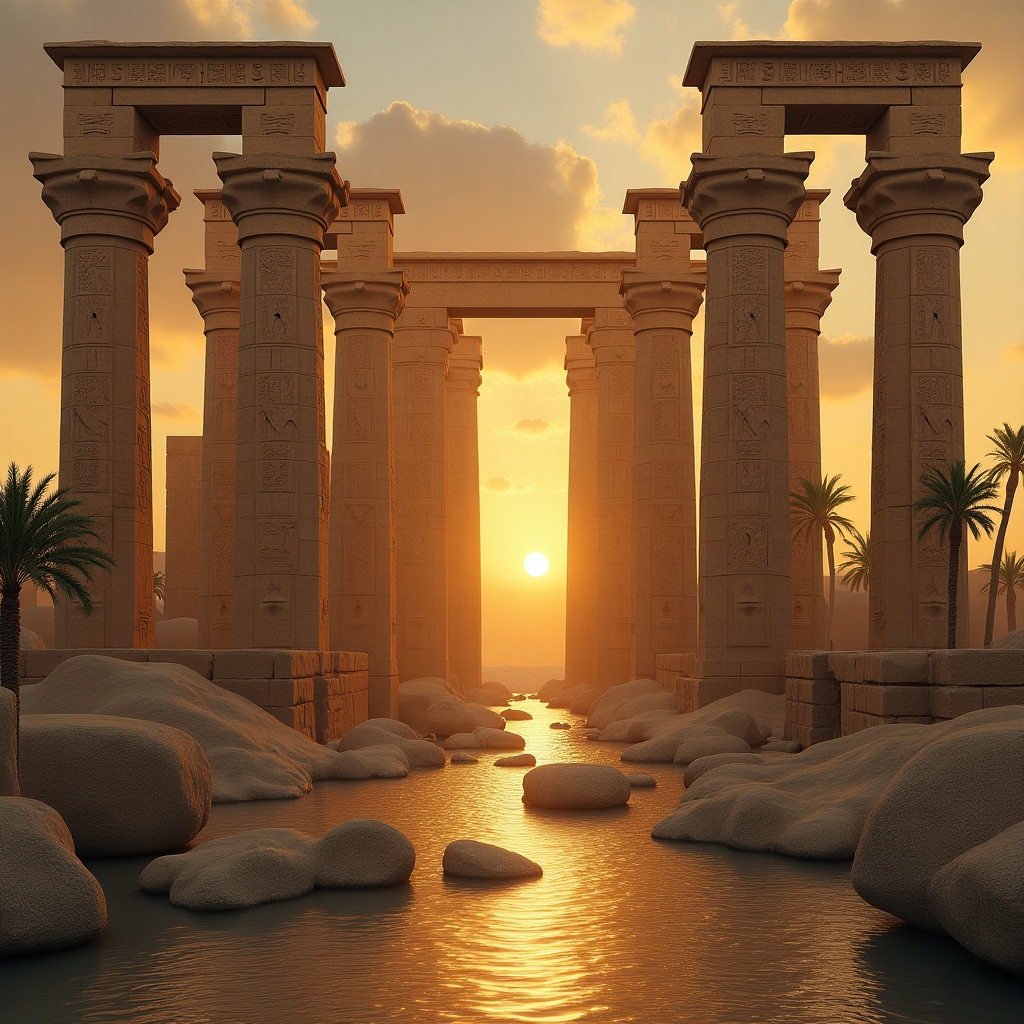
Temple of Karnak (Egypt)
The vast Karnak complex features massive sandstone columns, sacred obelisks, and intricate hieroglyphs detailing pharaohs' achievements. It served as a spiritual center for millennia.
Fun fact: The Hypostyle Hall has 134 colossal columns. -
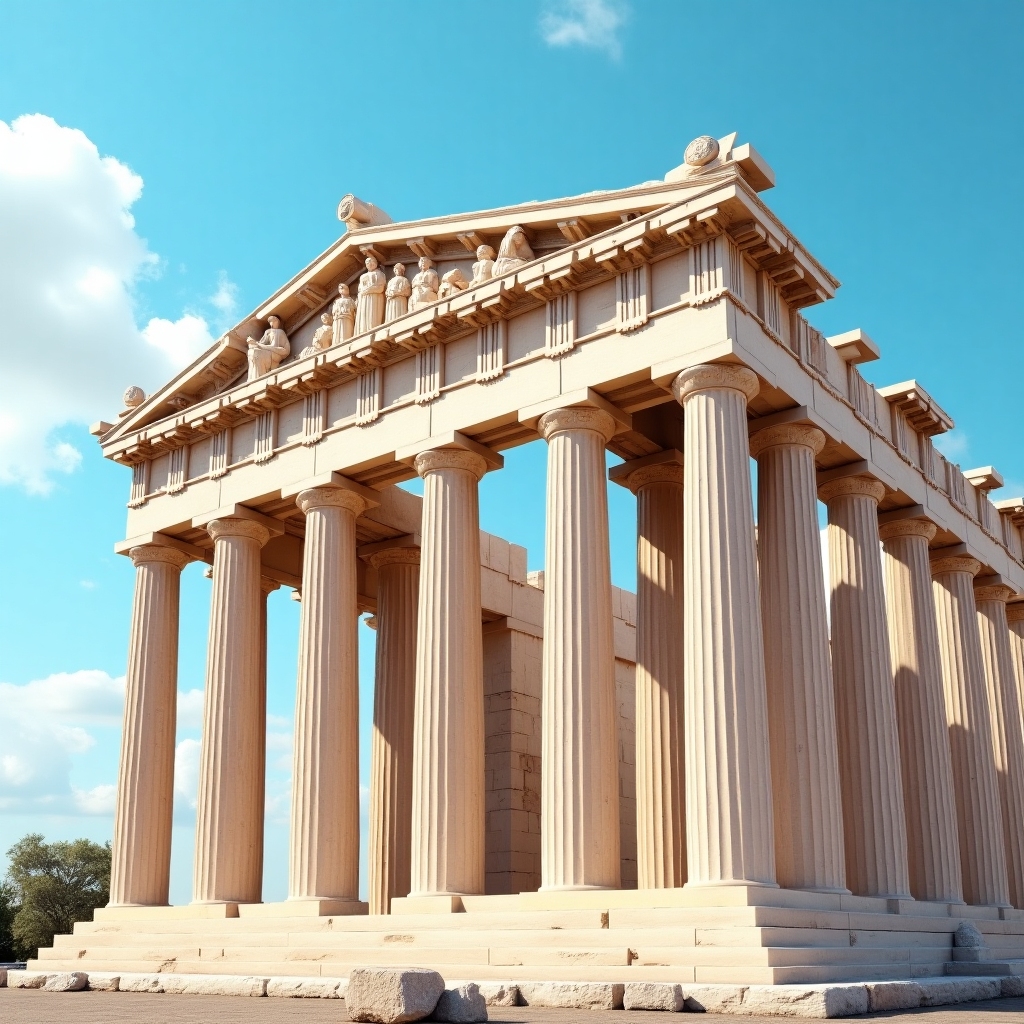
Parthenon (Greece)
A masterpiece of Doric architecture, the Parthenon honored Athena, the city's patron goddess. Its harmonious proportions set a standard for Western architecture.
Fun fact: The entire structure was painted in vibrant colors during antiquity. -
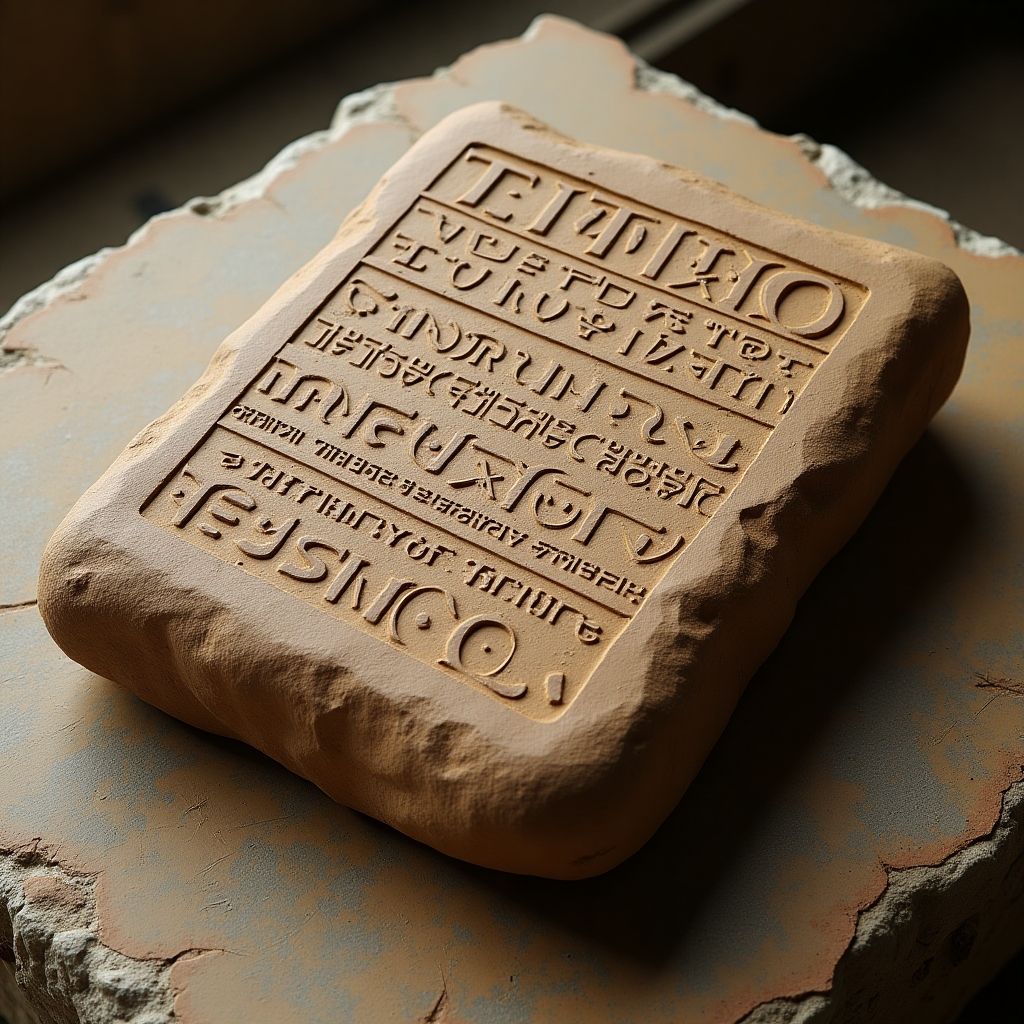
Cuneiform Tablet (Mesopotamia)
These clay tablets, inscribed with the earliest known writing system, recorded trade, law, and stories, laying the groundwork for written history.
Fun fact: The Epic of Gilgamesh was discovered on such tablets. -
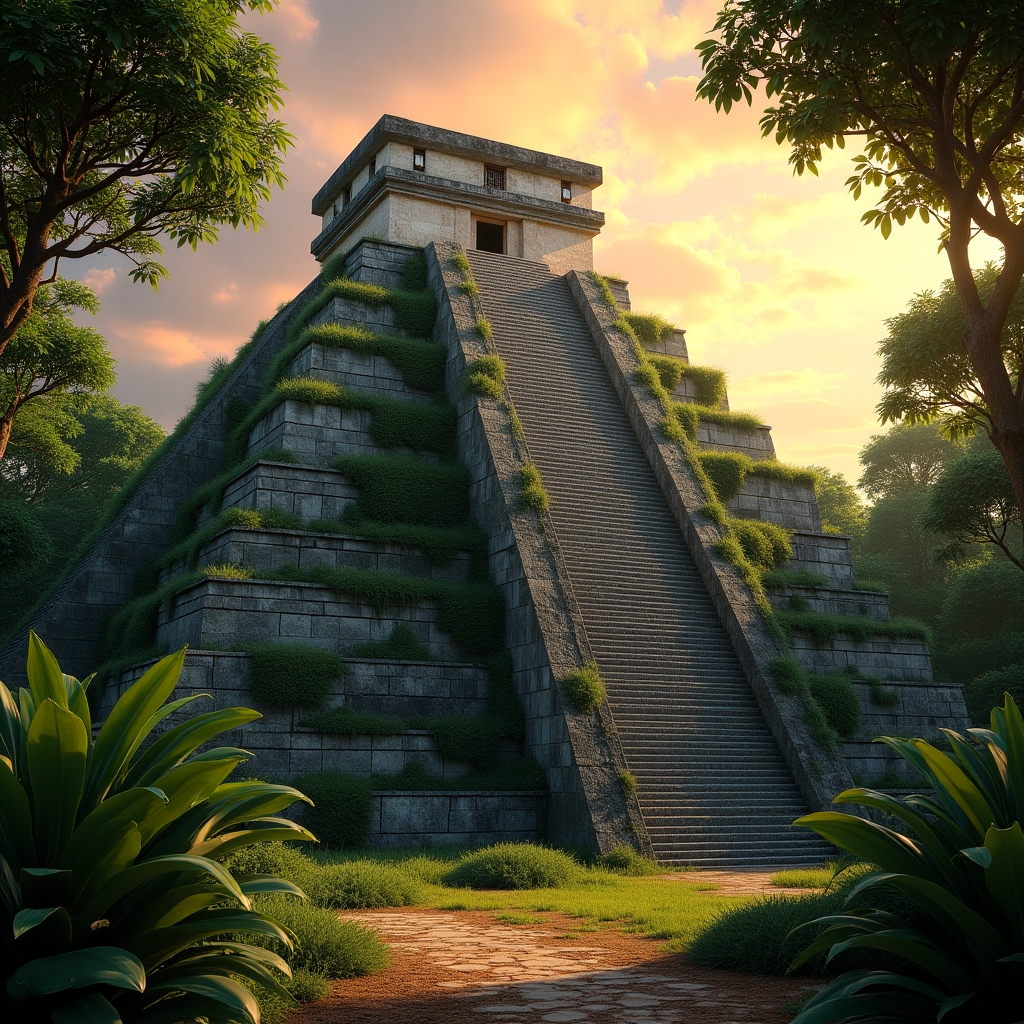
Temple of Kukulcán (Maya)
This pyramid in Chichén Itzá aligns with celestial events; during the equinox, sunlight forms a serpent-like shadow descending the steps.
Fun fact: The pyramid has 365 steps—one for each day of the year. -
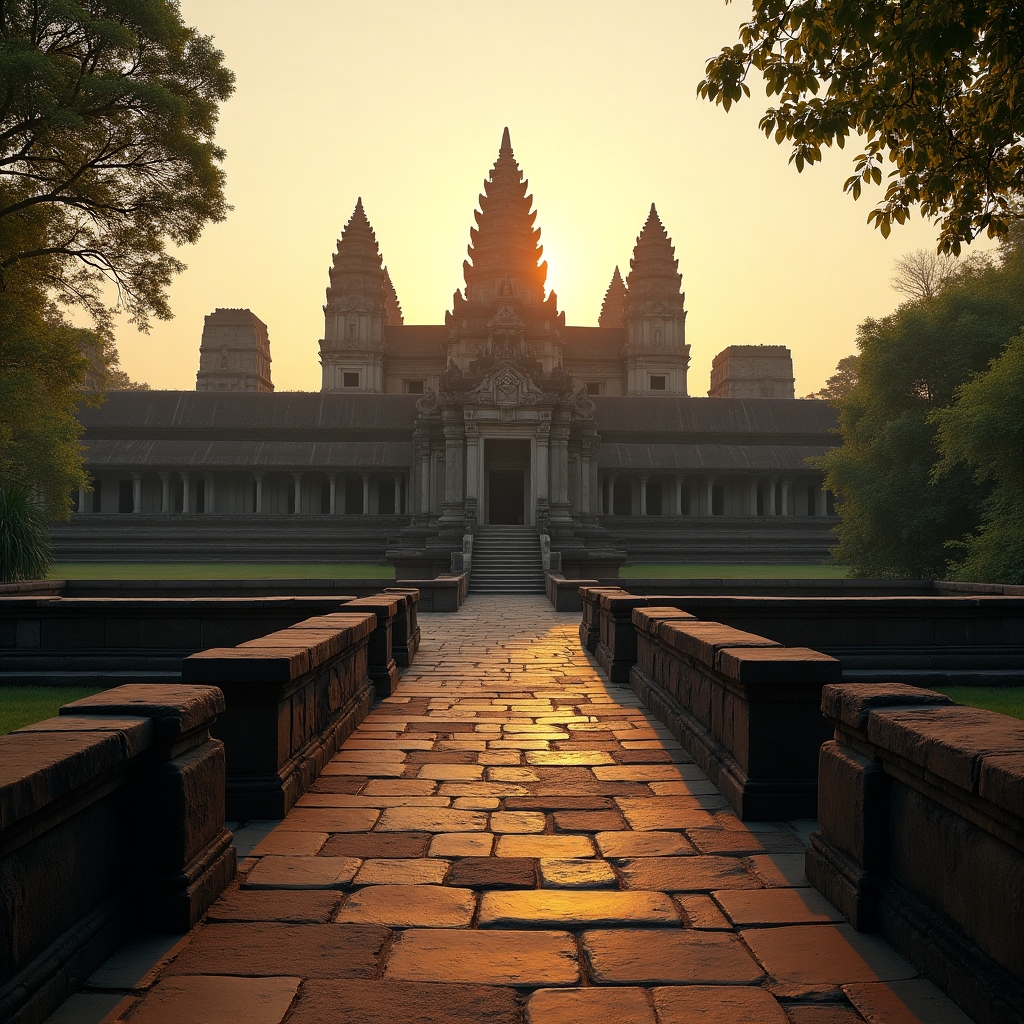
Angkor Wat (Cambodia)
Angkor Wat is the world’s largest religious monument, renowned for its majestic lotus-shaped towers and exquisite carvings depicting Khmer mythology. Built in the early 12th century, it served as the spiritual heart of the Khmer Empire.
Fun fact: Angkor Wat is precisely aligned with the spring equinox sunrise. -
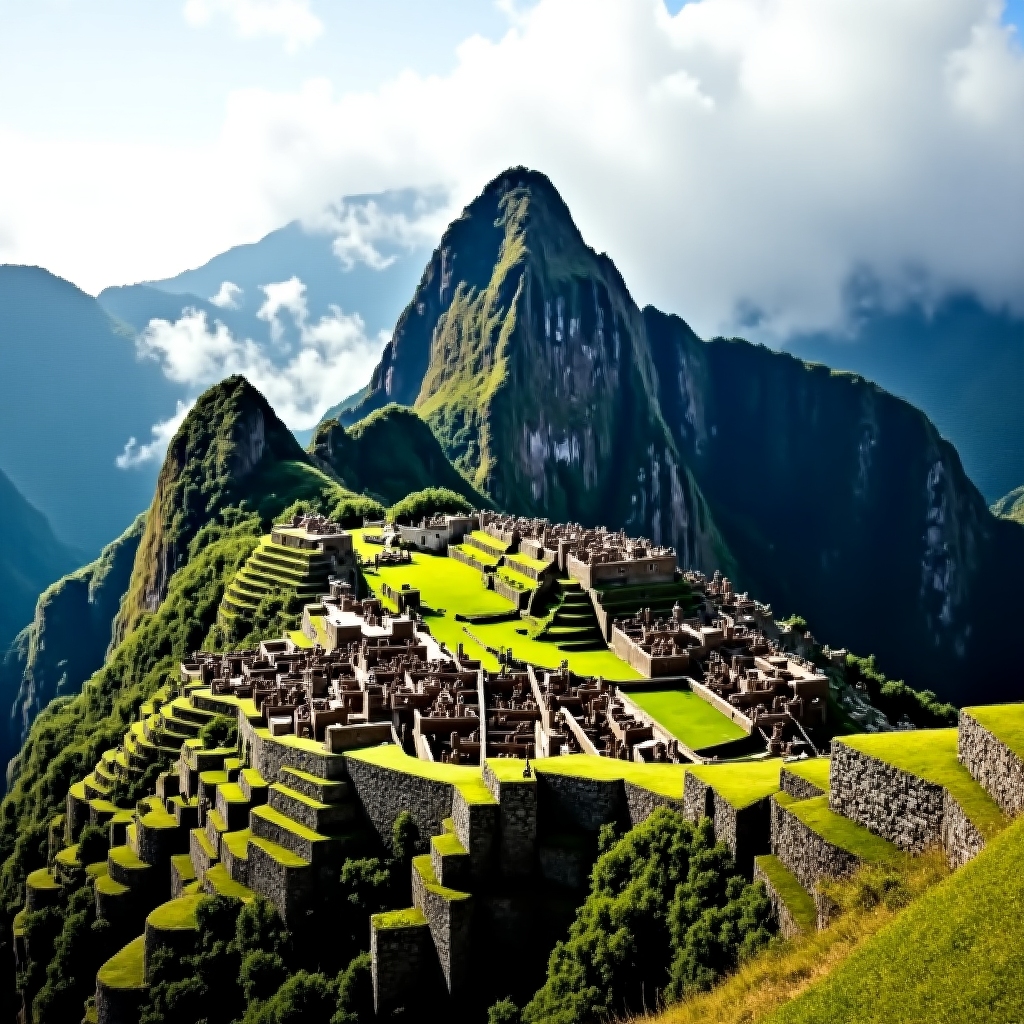
Machu Picchu (Peru)
Machu Picchu, the legendary Incan citadel, is famed for its dramatic mountaintop setting, sophisticated dry-stone walls, and mysterious ceremonial sites. It is a UNESCO World Heritage site and a symbol of Incan ingenuity.
Fun fact: Machu Picchu was largely unknown to the outside world until its rediscovery in 1911.
Gallery of Ancient Ruins
Discover the remnants of once-great civilizations. Explore the mysteries and beauty of ancient temples, structures, and lost worlds through realistic imagery and fascinating facts.
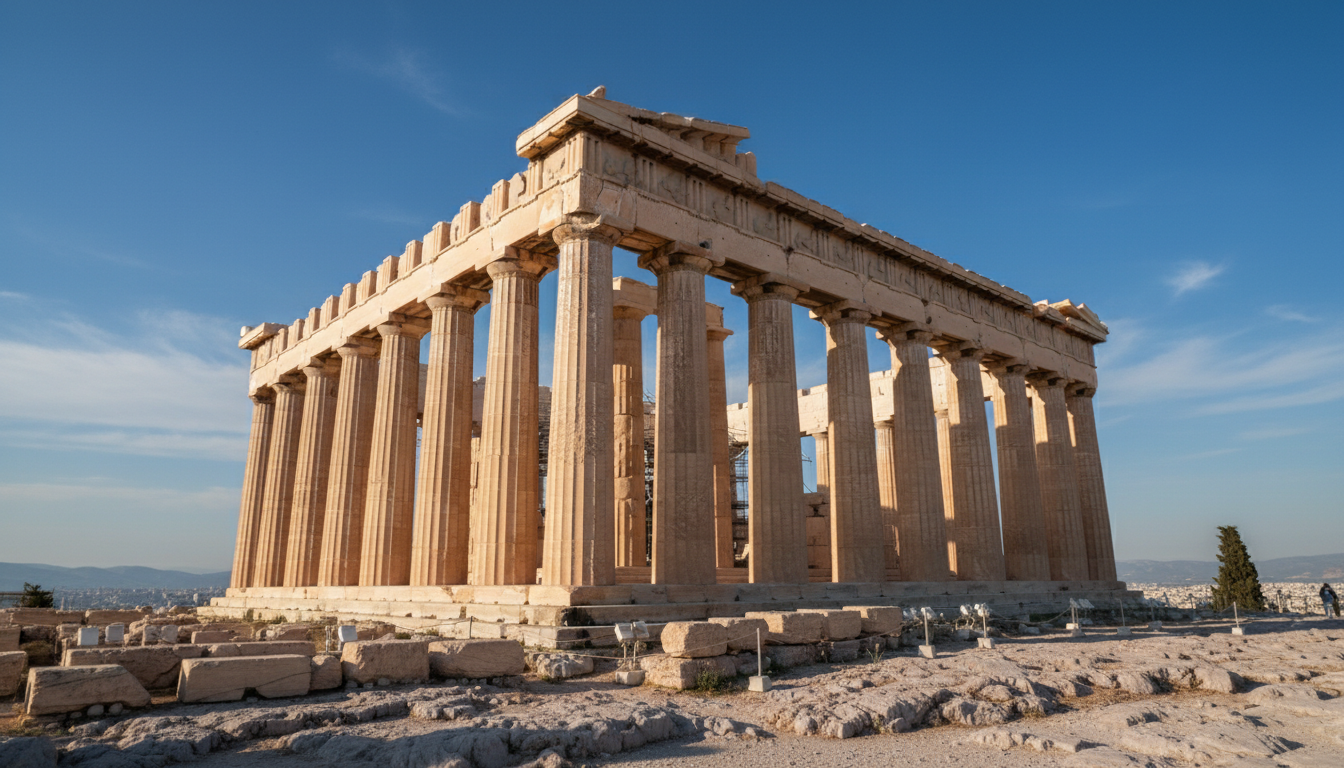
Athens, Greece: Iconic temple of the ancient Greeks, built 447–432 BCE, dedicated to Athena.
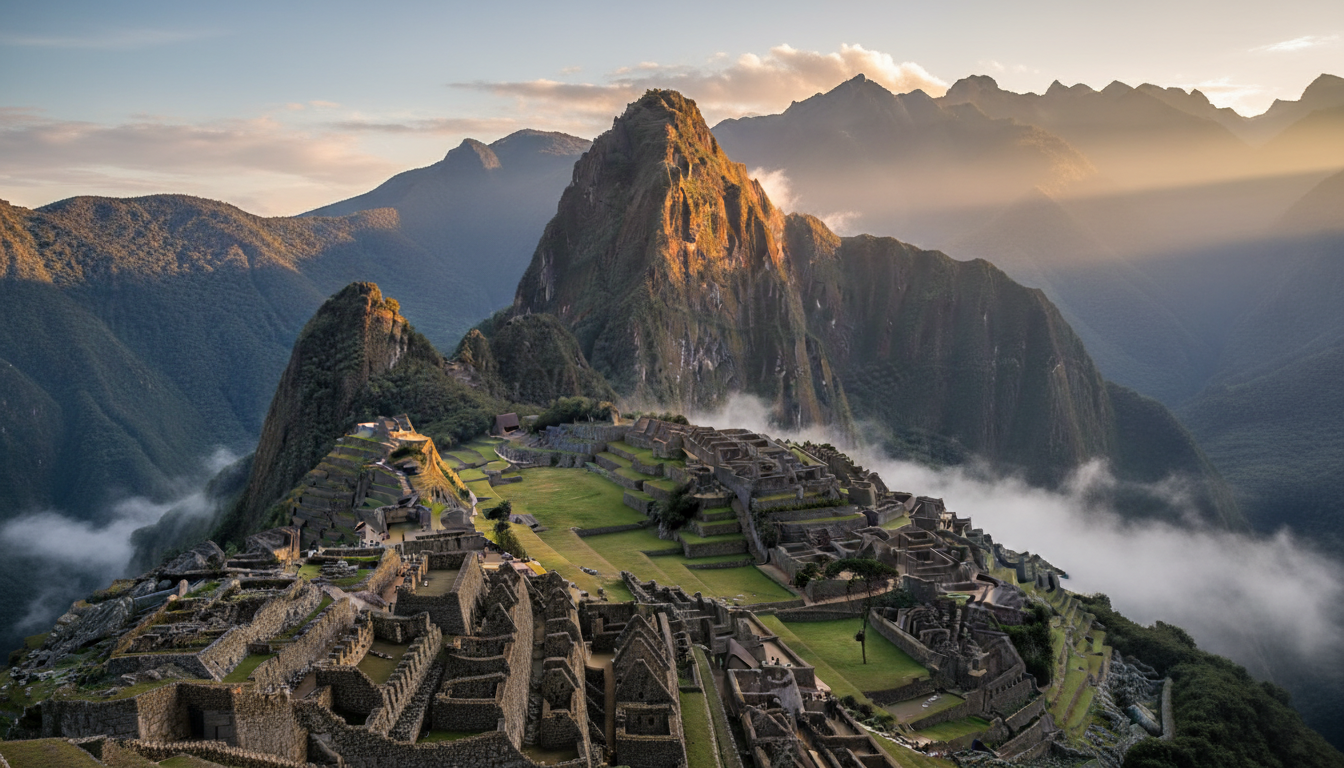
Peru: The lost city of the Incas, 15th-century citadel set high in the Andes mountains.
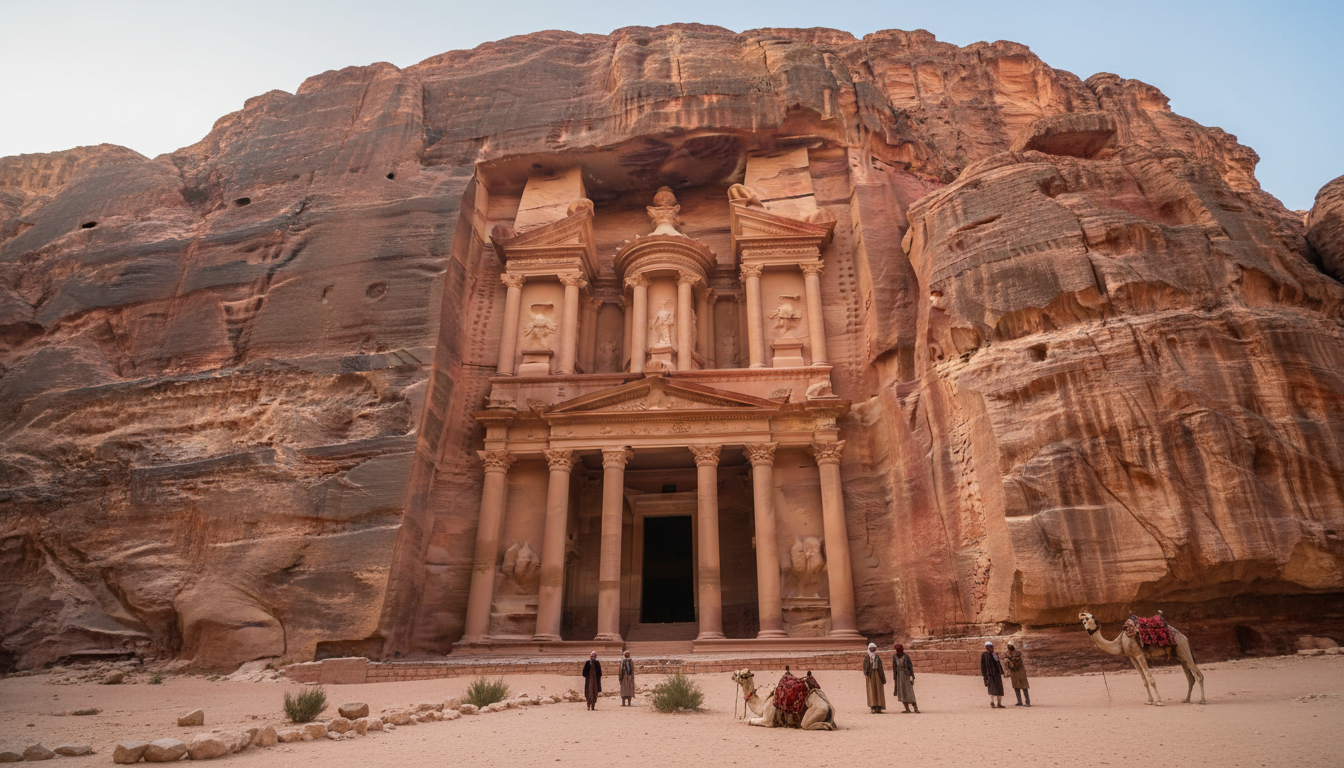
Jordan: Ancient Nabatean city famed for rock-cut architecture, founded in 4th century BCE.
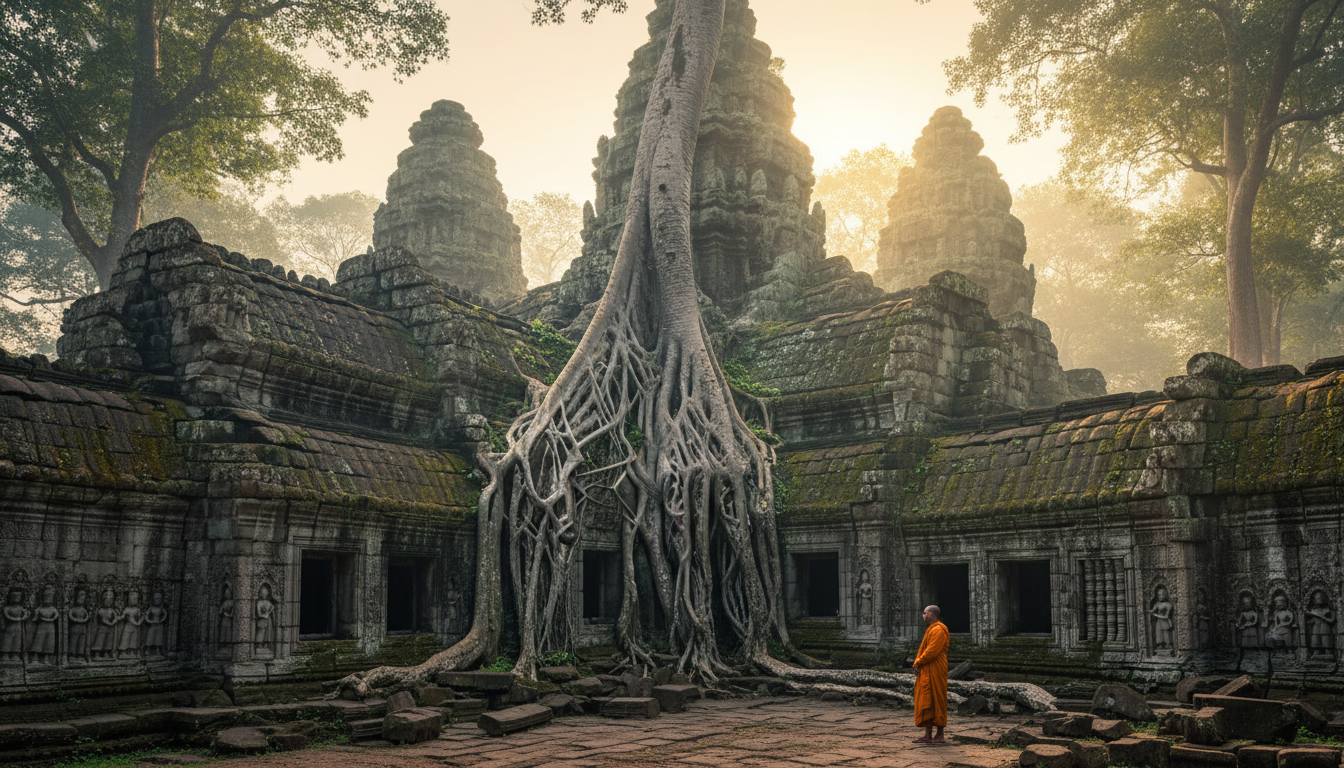
Cambodia: Largest religious monument, Khmer Empire, 12th century, renowned for intricate bas-reliefs.
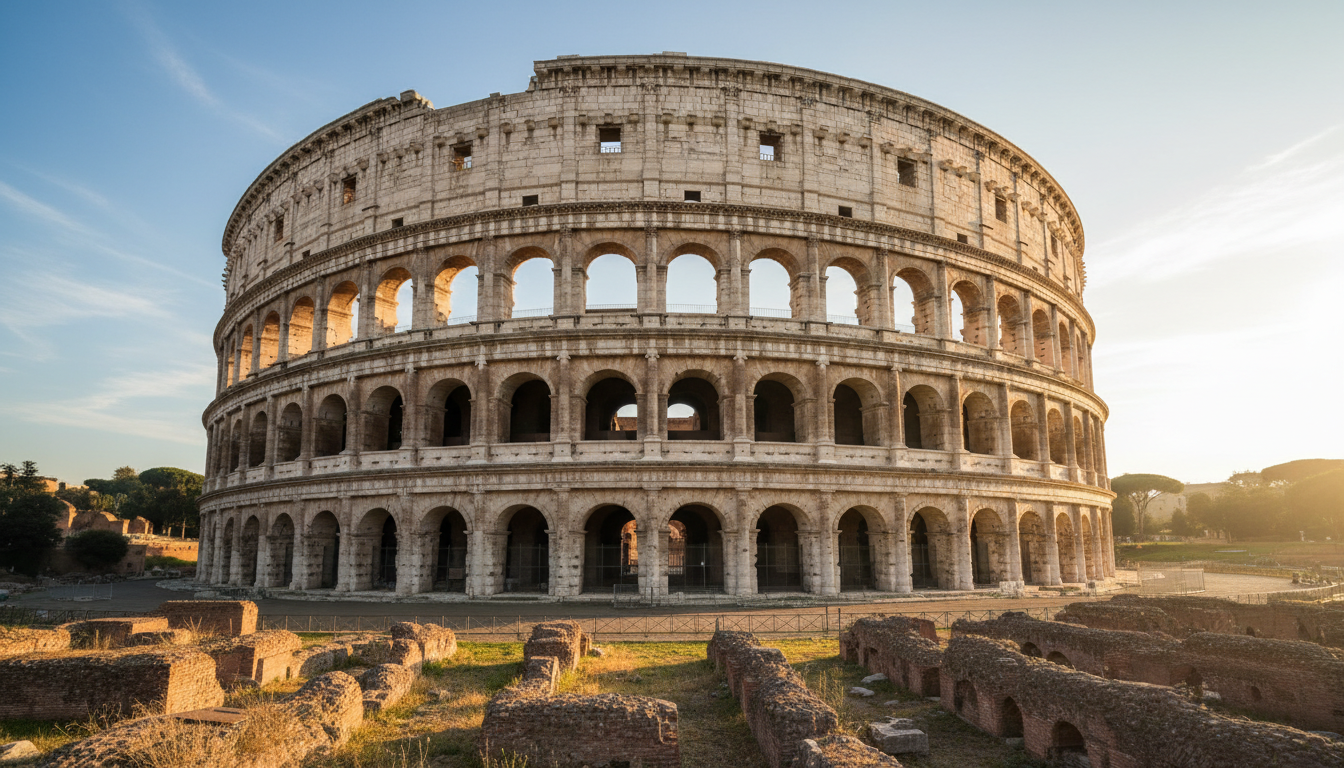
Rome, Italy: Ancient Roman amphitheater, completed in 80 CE, hosted gladiatorial contests.
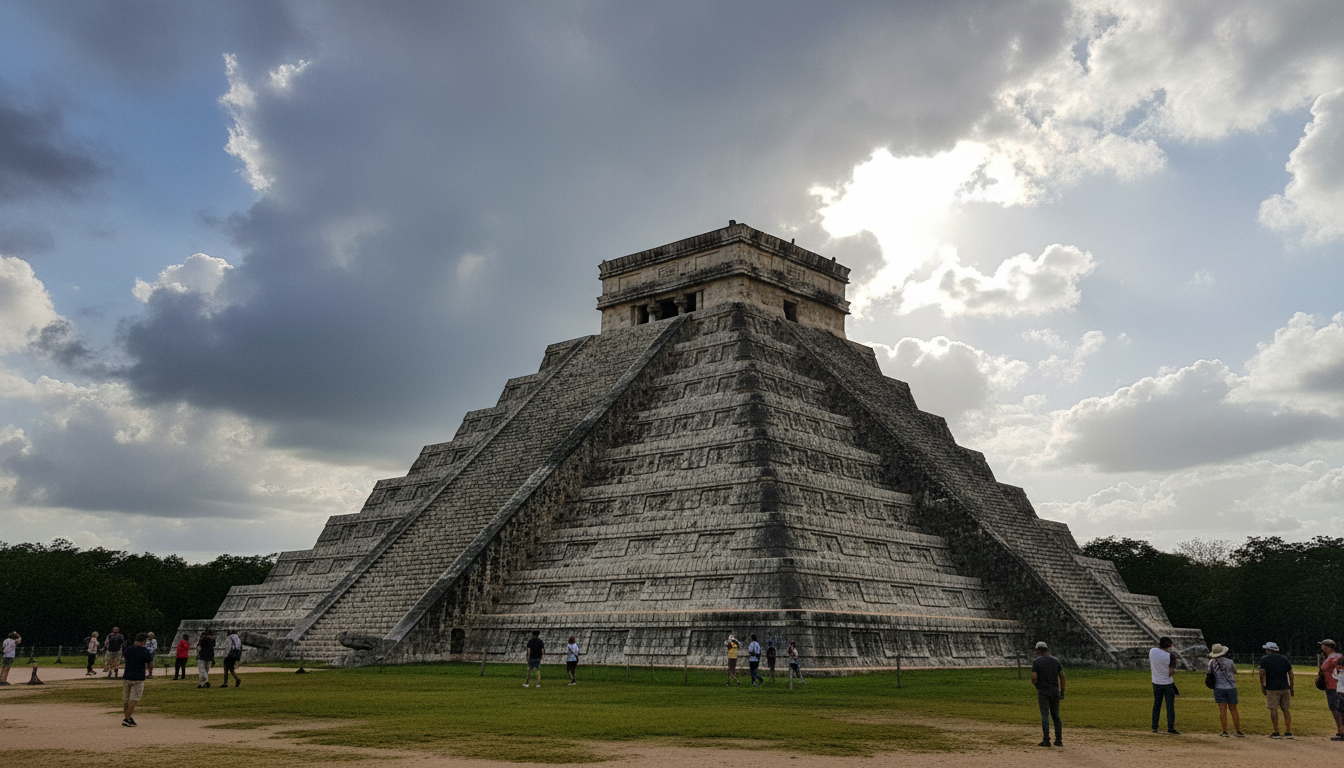
Mexico: Maya city, famous for El Castillo pyramid and astronomical alignments.
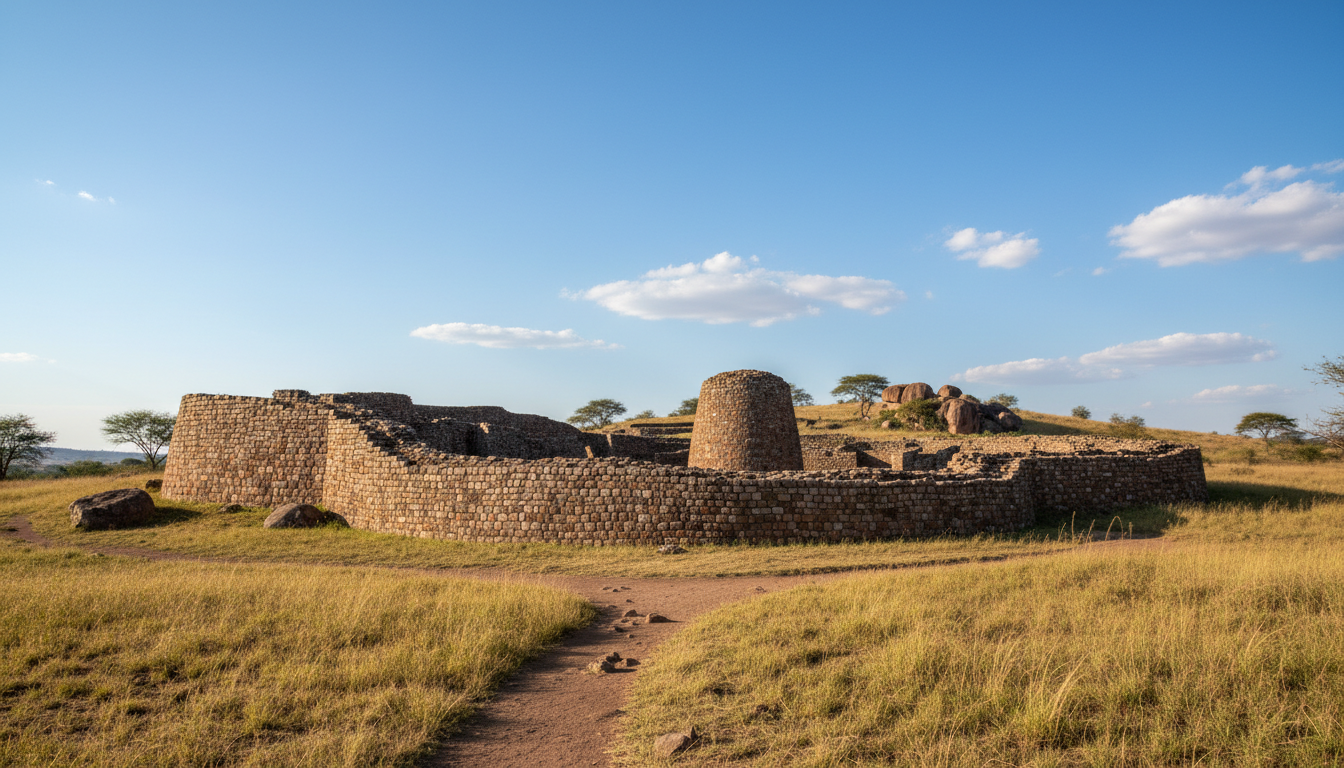
Zimbabwe: Medieval stone city, 11th–15th centuries, center of a powerful African kingdom.

Myanmar: Thousands of Buddhist temples and pagodas, built between 9th–13th centuries CE.
Frequently Asked Questions
Can’t find the answer you’re looking for? Reach out to our customer support team.
- What are ancient civilizations?
- Ancient civilizations are early societies that developed complex cultures, governments, and technologies—such as Ancient Egypt, Mesopotamia, Greece, Rome, the Maya, and more. They left behind remarkable temples, artifacts, and ruins that help us understand their histories.
- Why did ancient people build temples?
- Temples were built as places of worship, to honor gods and goddesses, conduct rituals, and serve as centers of community life. Their architecture and decoration reflected the beliefs and values of each civilization.
- How are artifacts discovered and studied?
- Artifacts are uncovered through archaeological excavations. Experts study these objects—such as tools, pottery, and jewelry—to learn about daily life, technology, and culture in ancient times.
- What can ruins tell us about the past?
- Ruins provide valuable clues about how ancient people lived, built their cities, and organized their societies. By examining structures, inscriptions, and layouts, historians and archaeologists can reconstruct historical events and cultural practices.
- Are all ancient sites open to the public?
- Not all ancient sites are open to visitors. Some are protected due to their fragility, ongoing research, or cultural importance. Many, however, can be explored in person or through virtual tours and museum exhibits.